
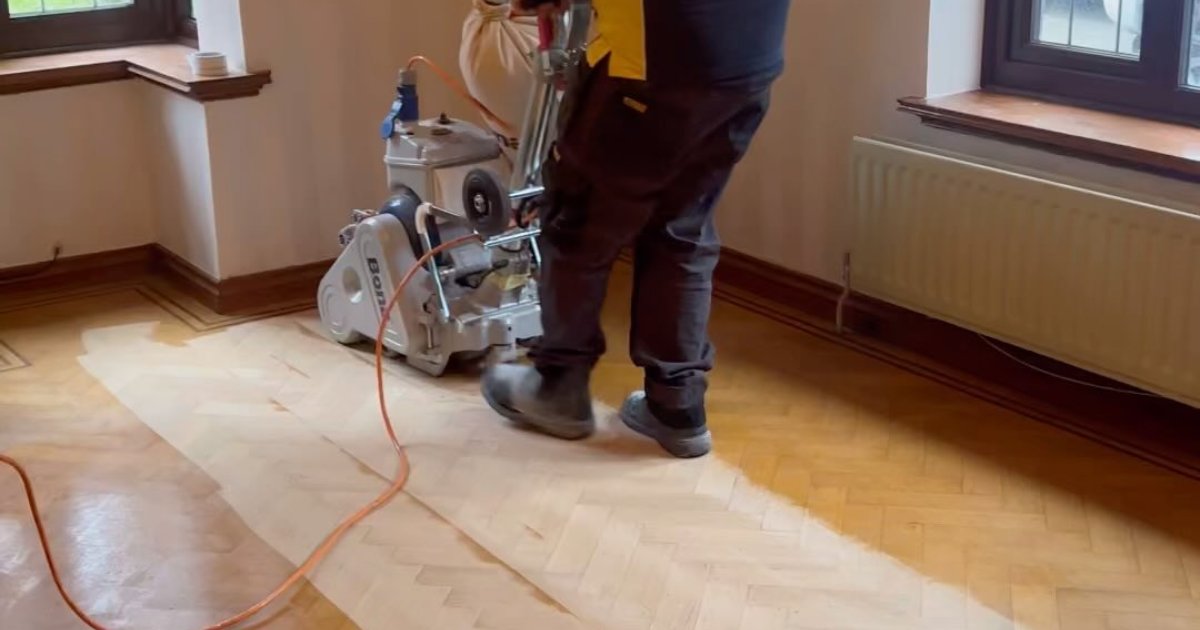
A wood restoration project is all about repairing, cleaning and refinishing timber surfaces to refresh their original look, structural integrity and historical value while maintaining their inherent character. It essentially bridges the gap between cosmetic care and the serious conservation of antique wood.
When it comes to deciding which wood restoration projects you can happily (and easily) take on yourself, it comes down to the skills you have, the level of damage you’re working with and how much time you need to invest.
Assess the damage
If you’re dealing with superficial scratching, water rings, faded colouring, minor dents or dulled finishes, these things are pretty DIY-friendly. And you can typically resolve these issues by sanding, staining or adding a fresh topcoat.
Identifying wood type
Consider the kind of wood you’re dealing with. Solid timber is pretty DIY-friendly, since you can sand right into the grain of the wood. So it’s very forgiving, plus you can restore it multiple times.
For its part, veneer is basically a thin layer of real timber over something less expensive such as MDF or plywood. Sand too vigorously and you can cut right through the veneer and spoil the piece. Therefore, only tackle a job like this if you’re happy working with chemical strippers rather than sandpaper.
Look at the complexity of the finish
You can apply oils and waxes by hand fairly easily, with little in the way of expertise. But stairs and polyurethane need a more precise technique to avoid bubbles or streaks.
Finally, shellac, lacquer and high-gloss spray-on finishes dry quickly, and so need pro spray equipment and adequate ventilation for a safe, even application.
Some good jobs to start off with
If you’re new to working with wood, kick off with something like small-scale hand sanding, basic staining or polishing projects. Examples of good starter jobs include polishing or waxing a scuffed dining table.
You could also try applying a fresh layer of exterior wood stain to a relatively clean fence or decking area. Or use a furniture marker to conceal small scratches.
If a job requires stripping an antique finish (which could contain leaded paint), or using harsh chemical strippers or power sanding (requiring respirators and eye protection), it’s probably time to call in the professionals.
When you might need a pro
Deeper gouging, extensive insect damage, rotting timber, burnt surfaces or structural warping typically need specialist skills in carpentry, chemical stripping or similar, plus special equipment.
When is it time to call a professional wood sanding firm?
And one task that’s always important is sanding. This helps create an even, smooth surface and gets rid of flaws from scratches to splinters. Equally, paints and stains go on more easily while the finished product looks better and is more durable. Essentially, you invariably get a better all-round finish if you sand first.
But one thing you may be wondering is whether you can do this yourself, either manually or with a machine. Or is it a job for the professionals? Here are some examples of where you may need some help:
Your wood has significant damage
That could include heavy staining, for example. Or maybe your floor has deep scratches (perhaps from pet claws) or gouging or has started to look uneven. Other potential issues include dullness or fading, chipping or bubbling.
And if you notice warping and buckling, that could be due to moisture damage. In these cases, you need professional expertise and equipment to sand the surface and create an event finish. It’s unlikely that DIY sanding alone will be able to rectify these kinds of issues.
Fading or dullness
If your wood is exposed to direct sunlight or there is a lot of foot traffic over it, the timber can start to look dull or show signs of fading.
Trapped odours
Pet urine or other unpleasant smells can sink into wood such as floorboards. And sanding is typically the only way to shift them. Again, DIY sanders won’t be enough. Only professional machines can penetrate deeply enough into the wood to remove smells effectively.
Benefits of hiring a professional sanding company
A professional wood sanding company offers numerous advantages, including the power of commercial-grade machinery. It’s also a great way of saving time, hassle and effort. Equally, if you also want staining or finishing, many firms offer all the services you need.
Additionally, professionals follow rigid safety standards to contain fine-particle dust properly. That way, your home remains clean and free from potential health hazards.
Overall, you’ll just get better results, maximising the functionality and beauty of your wood. There’ll be guarantees and comprehensive insurance in place. So you’ll also have total peace of mind, and will be able to look forward to a good job, every time.
Call Royal Stone Care
At Royal Stone Care, we provide a wide range of services for different types of natural stone. But we also offer expert wood sanding, wood repair and wood restoration. Let us help you gain the most from your real timber floor, staircase, furniture or other timber product. After all, we have the skills, experience and specialist kit to tackle those jobs which are beyond the reach of most DIY-ers.
We know that real wood’s elegance and natural beauty will never go out of style. Get in touch today for a free quote without charge or obligation – you’ll find our rates are very reasonable.
Talk to us today about wood sanding, polishing staining, finishing and restoration. And show your timber the love it deserves!
