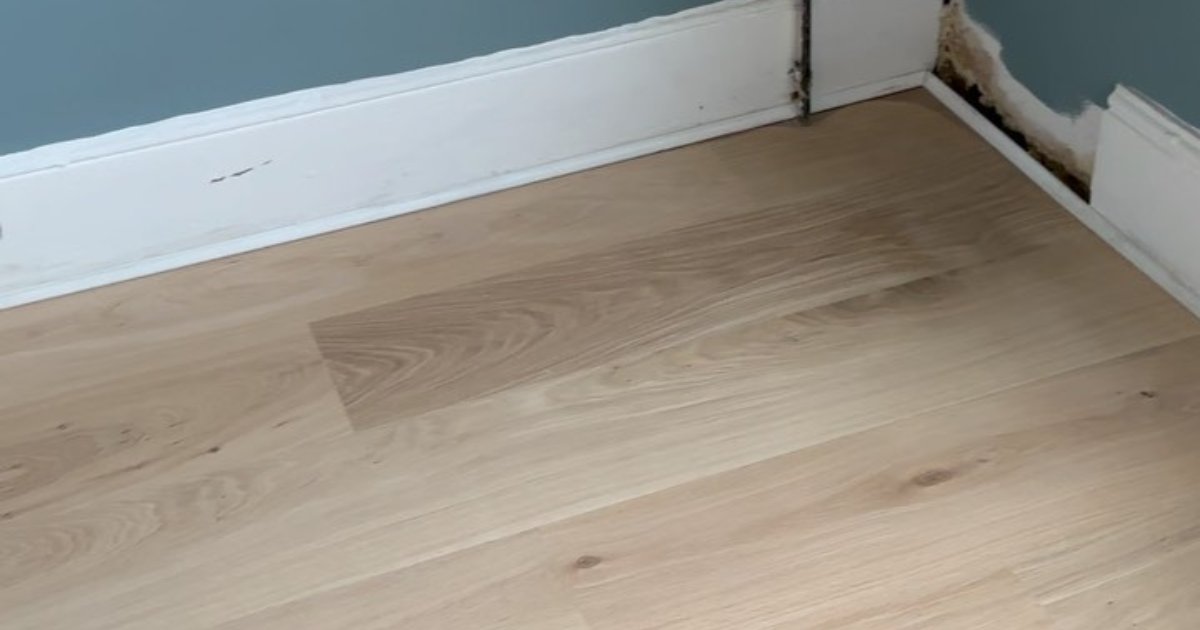
Fit a quality wooden floor and it will last you a very long time indeed, while staying looking incredible. That said, real timber can be vulnerable to scuffing, staining and other blemishes, as well as the effects of everyday grime. So your floor will need some regular TLC – but the good news is that this shouldn’t be an overly onerous task. It’s just about cleaning effectively while preserving your wood and its delightful natural appearance.
Clear dry debris first
Use a good-quality vacuum cleaner, preferably one with a soft-brush floorhead, to prevent scratching. But you can also use a brush with soft bristles if you prefer.
Get mopping
You’ll find a variety of mops on the market these days. But it’s important to make the right choice for your wooden floor. So use one specifically designed for this surface type – and don’t involve too much water. Some models also allow you to control how much liquid the head contains.
When it comes to technique, start at the far corner of the room, working your way towards the exit in a figure-of-eight motion for optimal coverage. Remember to mop under furniture and in tight spaces. And don’t use a steam mop on wood.
Rinse your mop head regularly in a cleaning solution so that you don’t spread dirt around. (Try to add a specialist cleaning product rather than just using clear water.) Finish by air-drying or by giving it a once-over with a moisture-free mop.
Spot cleaning where needed
Some areas of the surface may need a little more TLC than others – for example if there’s a ring from a glass or mug, or a new scratch. With a dry sponge or cloth, rub the mark gently until it starts to come off. Deeper scuffs or scratches may benefit from a specialist product. Or try rubbing a walnut over a scratch, since the nut’s natural oils fill these blemishes naturally, visibly reducing their appearance.
The key is to act quickly – don’t leave liquids standing on your floor for any length of time. And if serious staining needs plank replacement or professional sanding, seek expert advice. Don’t even attempt the task yourself.
Think about re-oiling
Regular oiling protects your floor so that it keep its shine. As a general rule of thumb, you’ll want to re-oil at least every couple of years in high-traffic areas. One test is to allow a few water drops to fall on to the surface. No further action is necessary if the water beads on the floor and can be readily wiped up.
If the water seeps gradually into the wood, leaving light marking in its wake, apply a new oil coating. But if the planks absorb the liquid right away, leaving a dark stain, the finish has worn away entirely. So you may need to sand and recoat your floor.
Proactive, preventative care for your floor
As well as cleaning up any spills at once, use door mats at entrances and add felt pads to furniture feet to avoid scratching. Trim pets’ nails and don’t walk over a real wood floor in heels.
Don’t use anything on your floor which has an abrasive texture and so could scratch or otherwise damage the surface. Equally, avoid chemical-based cleaning products. Instead, use those especially designed for timber – even seemingly natural items like lemon or white vinegar can cause discolouration.
Get in touch with us
At Royal Stone Care, as well as looking after natural stone, we take care of wood restoration, wood sanding and wood repair in London and UK-wide. What’s more, we work for businesses as well as private homes.
So let us bring out the beauty of your natural wood – get in touch today for a free quote and informal discussion.
